Building Functional Tools and Automating Daily Workflows at Karunya Institute
By Sulthan Allaudeen ·
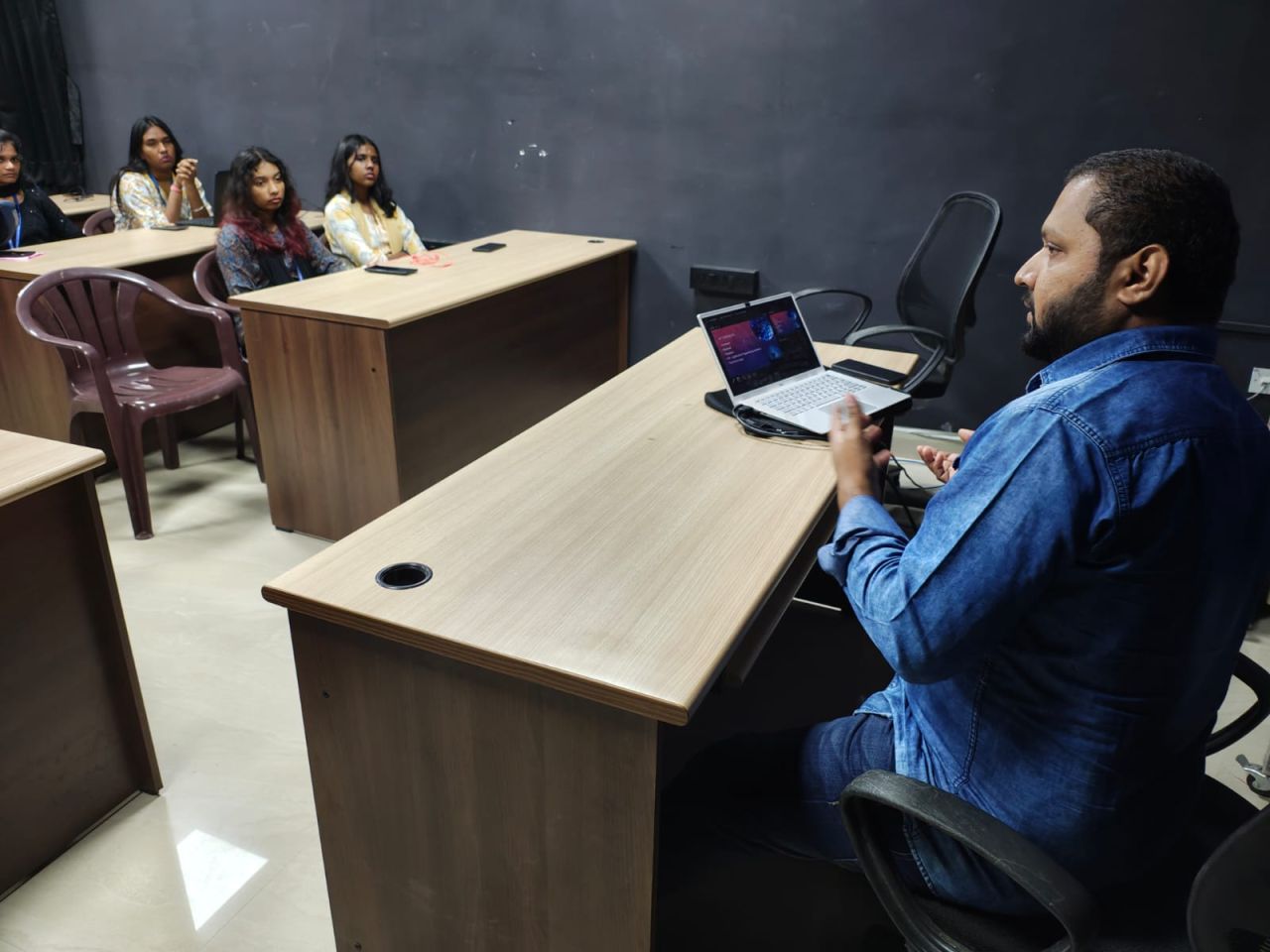
On 19 October 2024 (Saturday), I had the privilege of conducting a hands-on seminar and workshop for students from the Department of Computer Science and Multimedia at Karunya Institute of Technology and Sciences.
The session focused on Building Functional Tools and Enhancing Daily Workflow through Automation. It was designed as a practical, six-hour learning experience where students could connect software development concepts with tools and workflows they can apply in real projects.
Building From Fundamentals
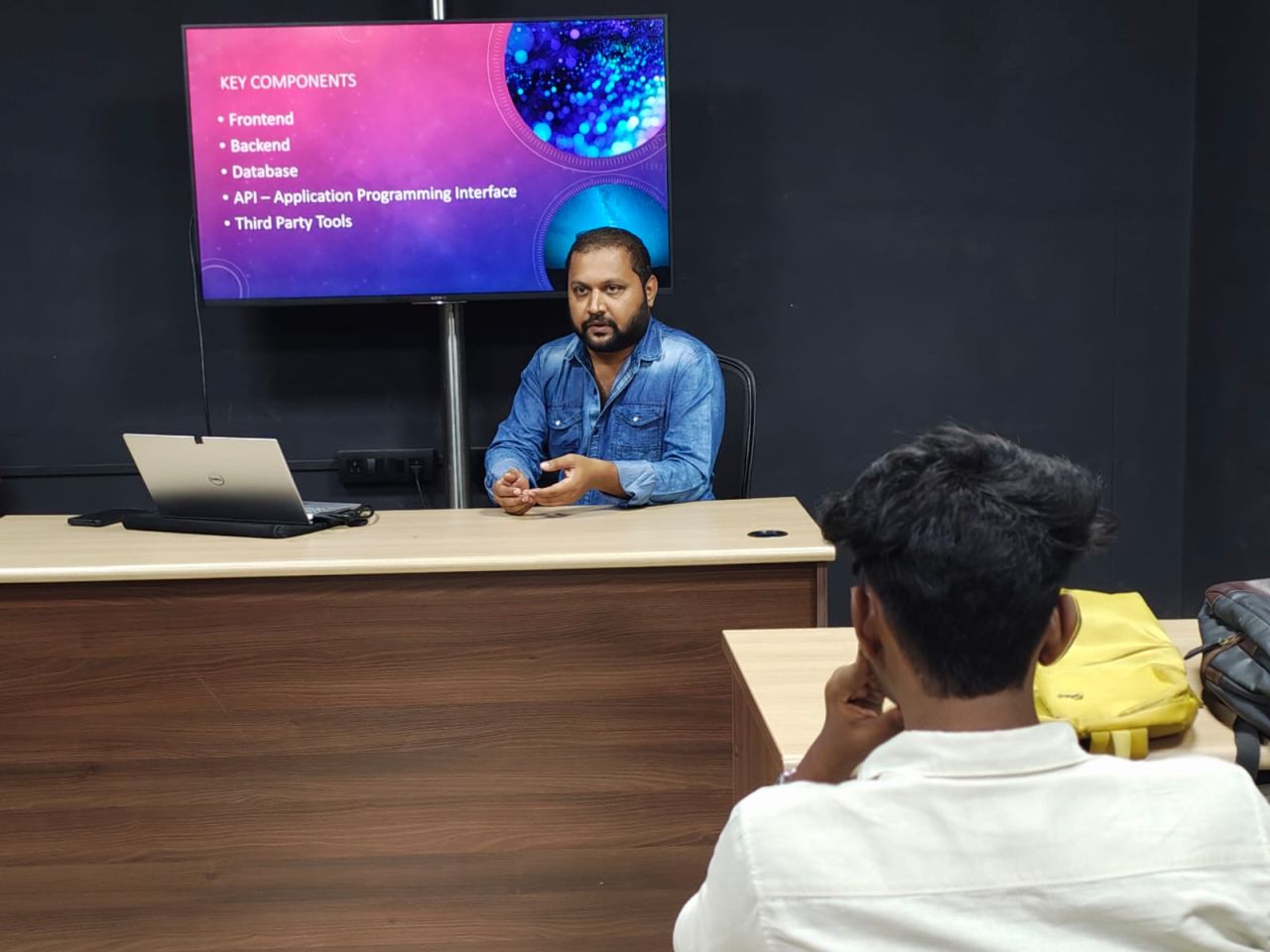
We began by breaking down the key components of modern application development: frontend, backend, database, APIs, and third-party tools. These building blocks helped frame how full-stack applications are planned, built, integrated, and maintained.
From there, we moved into the software development life cycle: planning, requirement analysis, design, development, testing, deployment, and maintenance. The aim was to help students see software development as an end-to-end discipline, not just a coding activity.
Process, Prototypes, And Product Thinking
A major part of the discussion was around development methodologies such as Agile Scrum and Waterfall. We explored how teams plan sprints, run daily scrums, review progress, improve through retrospectives, and refine backlogs. We also discussed where Waterfall-style planning still appears in real-world delivery.
To make the ideas concrete, we looked at a BookMyShow-style prototype and discussed how different users such as public users, theatre owners, and admins influence product design, permissions, and workflows.
Automation As A Practical Advantage
The workshop also explored no-code and low-code platforms such as Zapier, Make, and PowerApps. We discussed how automation can reduce repetitive work, connect tools, trigger workflows, and give developers and non-developers a faster path from idea to execution.
My emphasis throughout the session was that automation is most valuable when it starts from a real daily pain point. A good tool does not need to be complicated; it needs to save time, reduce mistakes, and make work easier to repeat.
Hands-On Learning And Student Energy
What made the session memorable was the student participation. Over the six-hour workshop, the students were engaged, curious, and ready to try things hands-on. Their questions moved naturally from basic software structure to industry workflows, practical tools, and how they could build useful solutions themselves.
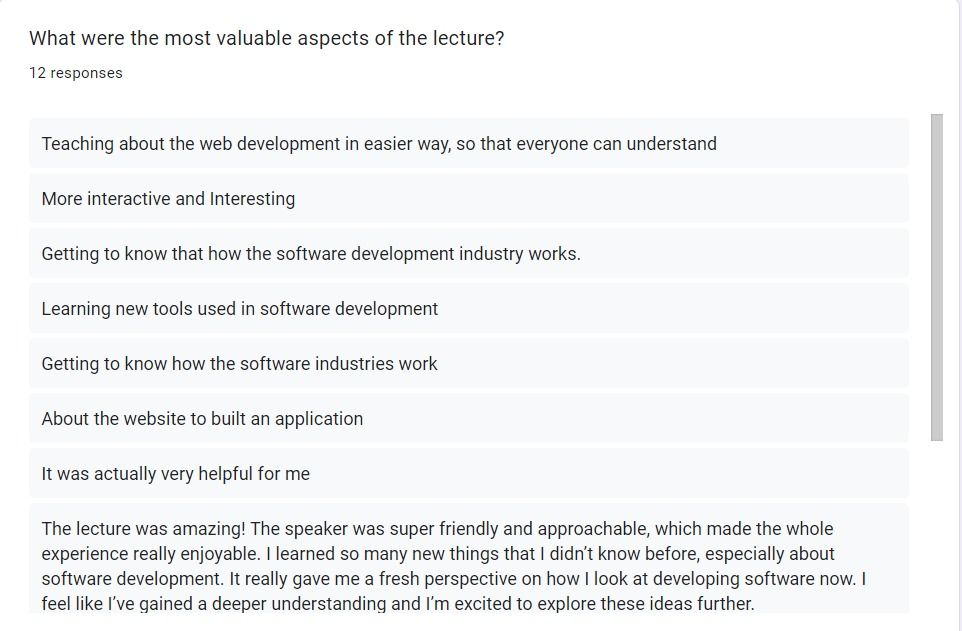
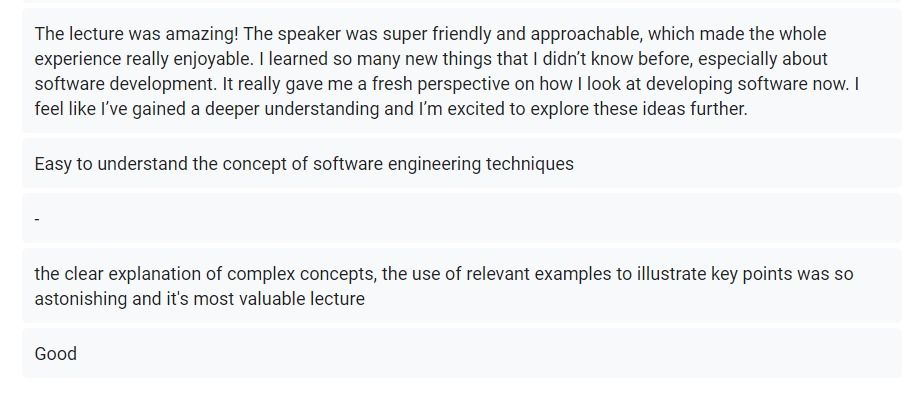
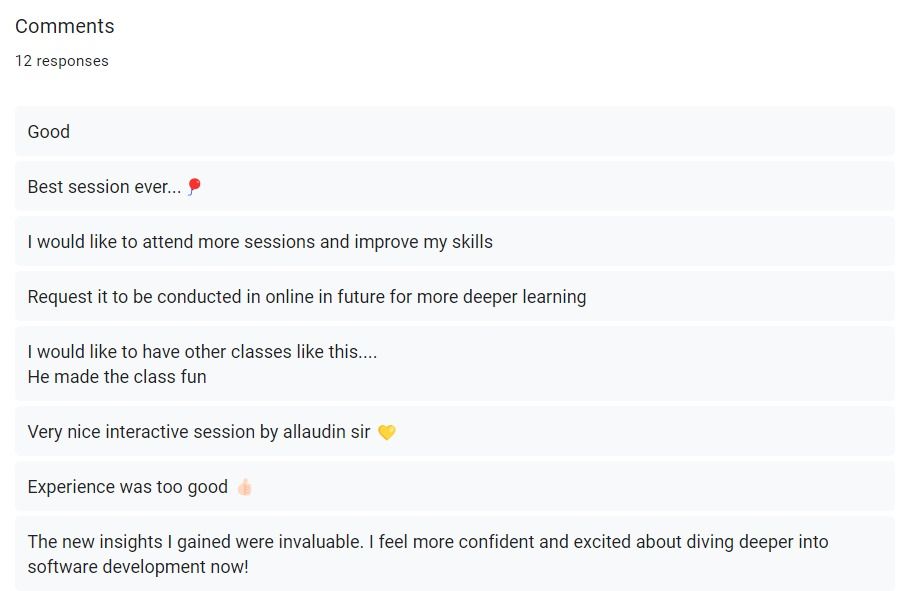
The feedback was encouraging. Students highlighted the value of understanding how the software industry works, learning new tools used in development, and seeing web development explained in a simpler, more practical way. Some shared that the session gave them a fresh perspective and more confidence to explore software development further.
Gratitude
I thoroughly enjoyed sharing my industry experience and seeing the enthusiasm students brought into the room. I hope the session helped them explore new technologies, think more clearly about practical software development, and build solutions that make everyday work more efficient and impactful.
My sincere thanks to Praveen Immanuel, the Department of Computer Science and Multimedia, and the students of Karunya Institute of Technology and Sciences for making this such a memorable experience.
Topics: Talks & Workshops, APIs & Automation, JavaScript